Life can change quickly when a family or household member becomes unwell or needs urgent support. Many employees find themselves trying to balance professional duties with caring responsibilities. Carer’s leave exists to support you through these moments, helping you manage both work and family when it matters most. This guide explains your rights, how leave works, and practical strategies to reduce stress when caring for someone close to you.
Why Carer’s Leave Exists
Carer’s leave was created to recognise the real world responsibilities that employees carry beyond the workplace. Under the Fair Work Act 2009, the entitlement ensures that workers have protected time to care for someone in their immediate family or household who is sick, injured, or facing an unexpected emergency.
Your immediate family includes a spouse or de facto partner, parents, children, siblings, grandparents, grandchildren, and equivalent relations through your partner. Household members also qualify, even if they are not related to you. This reflects the reality of modern families and shared living arrangements.
Understanding Your Leave Entitlements
Carer’s leave operates within two categories: paid leave and unpaid leave.
Paid carer’s leave comes from the same annual pool as personal and sick leave. Full time and part time employees use this shared entitlement for both their own illness and care responsibilities.
Casual employees are not eligible for paid leave, but they are entitled to two days of unpaid carer’s leave each time a qualifying situation occurs. This ensures that all workers can respond to emergencies without risking their employment.
How to Request Carer’s Leave
Requesting leave early is important. The Fair Work Act requires employees to notify their employer as soon as practicable. In many cases, this means reaching out before your shift begins.
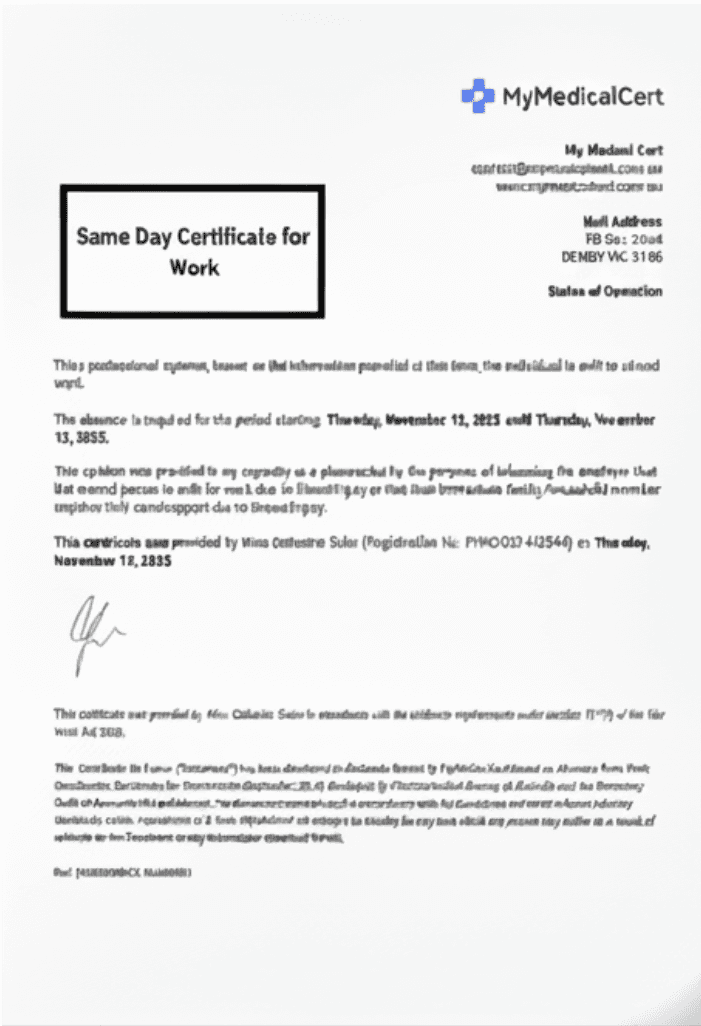
Employers may request evidence. Common forms include medical certificates, statutory declarations, or a Certificate for Absence from Work issued by a pharmacist. These documents help confirm that the person you are caring for is unwell and that your presence is required.
The Expanding Role of Pharmacists
Pharmacists can issue Certificates for Absence from Work for short term, minor health conditions. This is particularly useful when a doctor’s appointment is not immediately available. These certificates help employees meet evidence requirements quickly while still following professional health guidelines.
Strategies for Managing Work and Caring Responsibilities
Understanding your rights is the first step. The next is managing your responsibilities in a way that reduces stress for both you and your workplace.
Plan ahead where possible. Prepare a simple contingency plan that outlines who can cover urgent tasks during your absence. Keep communication lines open with your manager or HR team, especially when caring situations may continue beyond a day or two.
Building a workplace support network is valuable. Identify colleagues who can help when needed and ensure your employer understands your willingness to maintain productivity while managing unexpected challenges.
Looking Ahead
Carer’s leave plays an important role in supporting the well being of employees and their families. It recognises that life outside work is unpredictable and that caring for loved ones is a responsibility shared by many. By understanding your entitlements and communicating clearly with your workplace, you can manage caring commitments with confidence and maintain your professional responsibilities at the same time.
If you need personalised guidance, consider speaking with your HR team or an employee assistance program. These resources can help you navigate the leave process and maintain balance during demanding times.