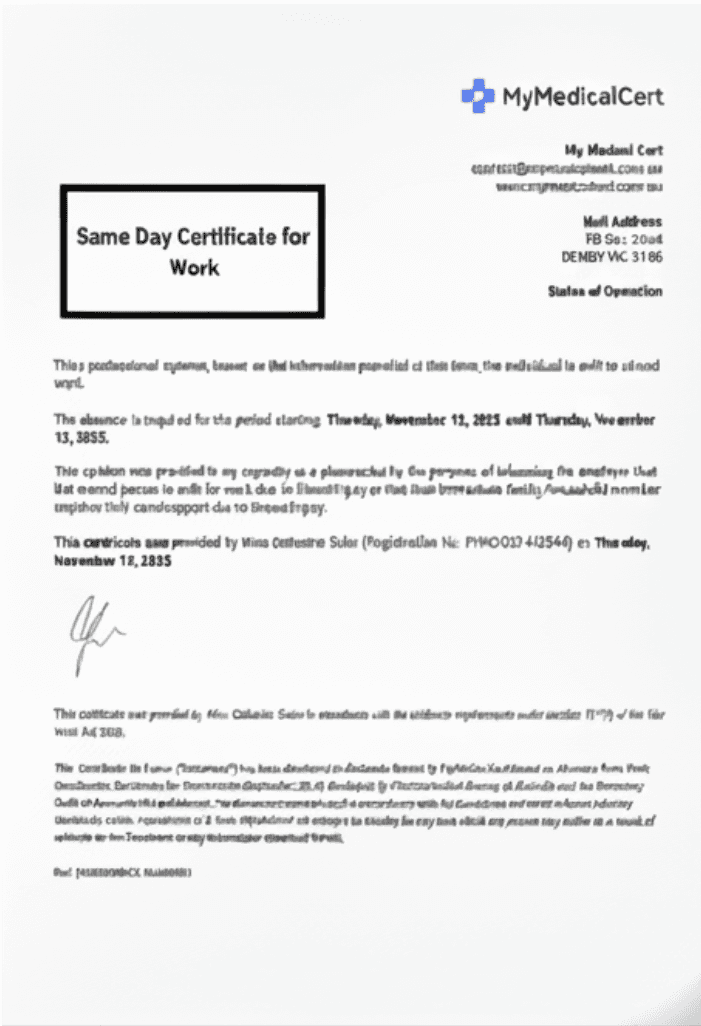
When it comes to managing minor ailments and their impact on work attendance, pharmacists play an increasingly vital role. With their accessibility and extensive training, pharmacists can assess certain health conditions and even issue certificates of absence from work in line with established guidelines. This service provides convenience for employees and employers while reducing the strain on healthcare systems.
If you're wondering which minor ailments fall under a pharmacist's expertise, this guide will provide clarity.
What Are Minor Ailments?
Minor ailments are health conditions that are typically self-limiting, meaning they often resolve on their own without extensive medical intervention. However, they may still cause discomfort and affect an individual's ability to work. These conditions are generally easy to recognize and can be treated with over-the-counter medications, advice, or simple remedies.
Common Examples of Minor Ailments
Allergies (e.g., hay fever)
Colds and coughs
Minor burns and cuts
Cold sores
Nausea and vomiting
Headaches and mild migraines
Constipation or diarrhea
Muscle aches and minor injuries
Sore throats
Minor skin conditions
Conditions Pharmacists Can Address and Certify
Here are specific minor ailments that pharmacists can treat and certify for work absences:
Colds and Flu Symptoms
While most colds are self-limiting, symptoms like congestion, sore throat, and fatigue can impact productivity. Pharmacists can recommend decongestants, lozenges, and rest while providing a certificate for 1-2 days of absence.
Allergic Reactions
Hay fever or mild skin reactions from allergens are manageable with antihistamines and advice on avoiding triggers. Pharmacists can certify absences when symptoms significantly affect work performance.
Digestive Issues
Pharmacists can address nausea, vomiting, diarrhea, and constipation with dietary recommendations and over-the-counter medications. Certificates can be issued for acute episodes requiring time off work.
Minor Injuries
For cuts, scrapes, sprains, or minor burns, pharmacists can provide wound care solutions and advice to aid healing. They can certify short-term absences needed for recovery.
Pain Management
Mild headaches, muscle aches, and joint pain can often be treated with over-the-counter pain relievers and ergonomic advice. Pharmacists can issue certificates when pain prevents normal work duties.
Respiratory Symptoms
Persistent coughs, mild bronchitis symptoms, and throat irritation can be assessed and treated by pharmacists, with certificates provided when these symptoms interfere with work.
Minor Skin Conditions
Rashes, minor infections, cold sores, and other skin irritations that don't require prescription treatment can be managed by pharmacists with appropriate certifications.
When to See a Doctor Instead
While pharmacists are equipped to manage a range of minor ailments, there are limitations to their scope of practice. They cannot diagnose or treat complex conditions or chronic illnesses. If a pharmacist determines that your symptoms require further evaluation, they may refer you to a medical practitioner.
Situations Requiring a Doctor Visit
Persistent or worsening symptoms beyond 2-3 days
Signs of serious infections (high fever, severe pain)
Conditions requiring prescription-only medications
Chronic health conditions or complicated medical histories
Workplace injuries requiring WorkCover documentation
Absences longer than 2-3 days
The Benefits of Seeing a Pharmacist
Opting for a pharmacist to assess minor ailments offers several advantages:
Accessibility
Pharmacists are often available without the need for an appointment. Many pharmacies offer extended hours and walk-in consultations.
Efficiency
Faster consultations save time for employees who need immediate support. Most pharmacy consultations take 10-15 minutes.
Cost-Effective
Pharmacist consultations are typically more affordable than GP visits. Online services like MyMedicalCert offer certificates for just $12.99.
Reduced Burden on Healthcare Systems
Pharmacists alleviate pressure on general practitioners by managing non-critical health issues, freeing up GP appointments for more serious conditions.
Getting a Work Absence Certificate from a Pharmacist
In-Person at Your Local Pharmacy
Visit Your Local Pharmacy: Walk in or call ahead to confirm certificate services
Be Honest About Your Symptoms: Provide a clear and accurate description of your condition
Receive Assessment: The pharmacist will evaluate whether your ailment falls within their scope
Get Your Certificate: If appropriate, receive your certificate immediately
Online Through MyMedicalCert
For maximum convenience, MyMedicalCert offers pharmacist-approved certificates:
Complete a simple online application in minutes
Pharmacist assessment within 60 minutes
Certificate delivered to your email
Just $12.99 with no hidden fees
Available 24/7 from anywhere in Australia
Tips for Getting Your Certificate
Be Honest About Your Symptoms: Provide a clear and accurate description of your condition
Bring Relevant Documentation: If you've previously seen a doctor or have supporting information, share it during your consultation
Understand the Scope: Confirm with your employer that a pharmacist-issued certificate will meet workplace requirements
Follow Up if Needed: If your condition worsens, consult a doctor promptly
Know Your Timeline: Pharmacist certificates typically cover 1-2 days of absence
Employer Acceptance of Pharmacist Certificates
Pharmacist-issued certificates are valid under the Fair Work Act 2009 and are accepted by most Australian employers. However, some workplace policies may have specific requirements:
Check your employment contract or enterprise agreement
Confirm your workplace accepts pharmacist certificates
Understand any limitations on certificate length
Keep your HR department informed of your absence
Final Thoughts
Pharmacists are essential allies in managing minor health concerns that can disrupt your work routine. By seeking their expertise, you can receive appropriate treatment and documentation without unnecessary delays. Whether you visit your local pharmacy or use an online service like MyMedicalCert, you have convenient options for managing minor ailments and obtaining the certificates you need.
The next time you're feeling under the weather with a minor ailment, consider a pharmacist consultation—it's faster, more affordable, and often just as effective as a GP visit for these conditions.